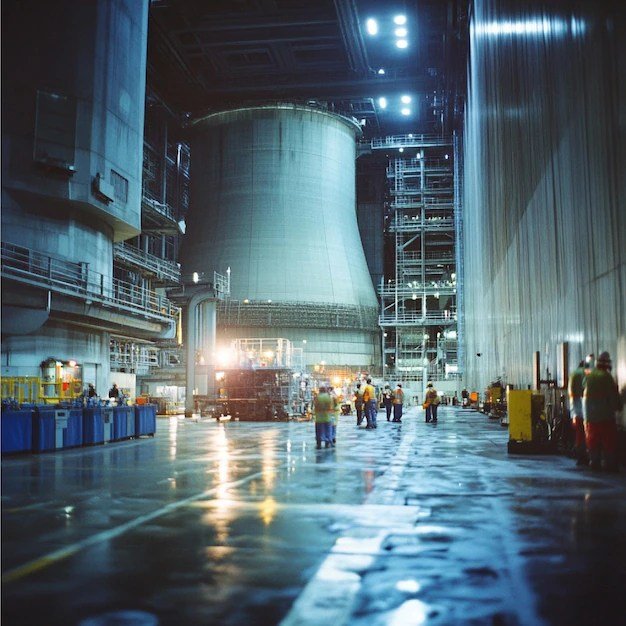
Nuclear power, a potent force capable of illuminating cities and propelling civilizations forward, comes with an equally immense responsibility: ensuring its absolute safety. This delicate balance between potential and peril is managed through an intricate web of Nuclear Safety Protocols and Regulatory Compliance, a system that has been refined and reinforced through decades of operational experience and, sometimes, painful lessons. It's an ongoing journey, one that demands constant vigilance, technological adaptation, and unwavering commitment from a global community.
At a Glance: Understanding Nuclear Safety's Core
- Multi-layered Protection: Nuclear facilities aren't safe by accident. They employ "defense-in-depth," meaning multiple, independent safety systems are in place, so if one fails, others take over.
- A Culture of Caution: Safety isn't just about machines; it's about people. A strong "safety culture" ensures every worker, from engineer to janitor, prioritizes safety above all else.
- Global Benchmarks, Local Enforcement: Organizations like the IAEA set international standards, but national bodies enforce them rigorously within their borders, demanding licenses, inspections, and continuous improvement.
- Learning from History: Major incidents like Chernobyl and Fukushima, while tragic, have profoundly reshaped safety protocols, emphasizing emergency preparedness and natural hazard assessment.
- Future-Proofing Safety: As new technologies like Small Modular Reactors (SMRs) emerge, regulations must adapt rapidly, ensuring cutting-edge safety for cutting-edge power.
- Legal Backbone: International conventions and national laws create binding commitments, ensuring accountability and facilitating global cooperation in keeping nuclear power secure.
The Unseen Shield: Why Nuclear Safety Matters So Profoundly
Nuclear technology offers unparalleled energy density, but its unique risks demand an unparalleled commitment to safety. We're talking about protecting public health, safeguarding the environment for generations, and maintaining the trust essential for this powerful energy source to thrive. From the earliest days of nuclear power, the inherent dangers of radiation and potential for catastrophic accidents necessitated a robust framework beyond standard industrial safety. This framework, anchored in evolving legal structures and scientific understanding, ensures the responsible management of nuclear technology, turning potential hazards into contained, controlled processes.
Core Principles in Action: The Foundation of Trust
At the heart of every nuclear safety regulation lie a few non-negotiable principles. These aren't just abstract ideas; they're the bedrock upon which every design, procedure, and decision is built.
- Defense-in-Depth: Imagine an onion, with layer upon layer of protection. That's defense-in-depth. It means having multiple, independent barriers and safety systems, both physical and administrative, to prevent accidents and mitigate their consequences if they do occur. This includes everything from the fuel pellet's cladding to the reactor containment building itself, and from automated shutdown systems to human operational procedures.
- Safety Culture: This isn't just a poster on a wall; it's the ingrained mindset and behavior of everyone involved in the nuclear industry. It fosters continuous awareness, promotes open reporting of concerns, encourages a questioning attitude, and demands personal responsibility for safety among all personnel. Without a strong safety culture, even the best technical systems can be compromised.
- Robust Risk Assessment and Management: Before a bolt is tightened or an operator steps into a control room, potential hazards are systematically identified, analyzed, and mitigated. This involves rigorous evaluation of every conceivable accident scenario, identifying failure modes, and calculating likelihood based on extensive data and predictive models. Effective risk management then implements specific safety measures, from engineering controls to operational protocols, requiring continuous monitoring and updating.
- Clear Operational Procedures and Independent Oversight: Every task in a nuclear facility has a detailed, unambiguous procedure. These aren't suggestions; they are mandates. Equally crucial is the independent oversight mechanism, where regulatory bodies, free from operational pressures, verify compliance and effectiveness.
- Accountability and Transparency: When things go wrong, or even when they could, there must be clear lines of accountability. Operators are responsible for safety, and regulators are responsible for enforcing it. Transparency ensures that the public, and the international community, are informed, fostering trust and enabling collective learning.
Architects of Assurance: Who Sets and Enforces the Rules?
Nuclear safety is a global endeavor, requiring collaboration across borders and rigorous enforcement within them. No single entity manages it all, but rather a coordinated network of international bodies, national regulators, and vigilant operators.
The Global Watchdog: IAEA's Role
The International Atomic Energy Agency (IAEA) stands as the world's central intergovernmental forum for scientific and technical cooperation in the nuclear field. While its safety standards are non-binding in a strictly legal sense, they are immensely influential, serving as global benchmarks. They promote a unified approach to nuclear safety and security, providing a common language and framework for countries worldwide. The IAEA develops comprehensive guidance across all aspects of the nuclear lifecycle, from site selection and design to operation and decommissioning. Their work emphasizes a robust safety culture and continuous improvement, acting as a crucial convener for sharing knowledge and best practices.
Operators Uniting for Safety: WANO's Peer Power
The World Association of Nuclear Operators (WANO) plays a complementary but distinct role. Born from the lessons of Chernobyl, WANO is an industry-driven organization that facilitates international cooperation among nuclear operators. Its primary mission is to maximize the safety and reliability of nuclear power plants worldwide by sharing operating experience, conducting peer reviews, and fostering open communication. Unlike the IAEA, WANO's focus is on operational excellence among its members, providing a platform where operators can learn from each other's successes and failures without the pressure of regulatory enforcement. This peer-to-peer approach is incredibly effective in promoting continuous improvement and a strong safety culture directly within the operational sphere.
Local Guardians: National Regulators' Mandate
While international bodies set the benchmarks, it's the national regulatory bodies that hold the ultimate legal authority within their jurisdictions. These agencies are the frontline enforcers of nuclear safety. They are responsible for:
- Establishing and Enforcing Standards: Translating international guidelines into specific national laws and regulations.
- Licensing: Granting permits for all phases of nuclear activities, from construction to operation and decommissioning, only after thorough safety assessments.
- Safety Inspections: Conducting regular, unannounced inspections to ensure continuous adherence to safety requirements.
- Emergency Preparedness: Coordinating robust plans for responding to potential incidents, involving local, regional, and national authorities.
- Mandating Continuous Improvements: Requiring operators to constantly review and upgrade their safety systems and procedures in light of new information, technology, or operating experience.
For instance, facilities like the Prairie Island Nuclear Plant details in the United States operate under the stringent oversight of the U.S. Nuclear Regulatory Commission (NRC), a prime example of a national body enforcing comprehensive safety protocols.
Building Blocks of Safety: What Protocols are in Place?
Nuclear safety isn't a single protocol; it's a comprehensive system built from interlocking standards and procedures that cover every stage of a nuclear facility's life. These "major components" ensure that safety is designed in, built in, operated in, and maintained throughout.
From Blueprint to Decommissioning: Design and Construction Standards
The journey to safety begins long before a single shovel breaks ground. Design and construction standards specify detailed requirements for the robustness, redundancy, and safety features inherent in a nuclear plant's blueprint. This includes:
- Seismic Design: Ensuring structures can withstand significant earthquakes.
- Redundant Safety Systems: Multiple, independent systems for critical functions like cooling and shutdown.
- Physical Barriers: Containment structures designed to prevent the release of radioactive materials under accident conditions.
- Material Specifications: Strict requirements for materials used, from steel to concrete, to ensure integrity and longevity.
These standards aim to prevent accidents from occurring in the first place, laying the groundwork for inherent safety.
On the Front Lines: Operational Safety Procedures
Once built, a nuclear facility operates under an exhaustive set of operational safety procedures. These are the detailed instructions that guide every action, from routine maintenance to complex emergency responses. They establish clear protocols for:
- Startup and Shutdown: Precise steps to safely bring the reactor online or take it offline.
- Routine Operations: Guidelines for monitoring parameters, adjusting controls, and managing normal plant activities.
- Maintenance and Testing: Schedules and procedures for inspecting, repairing, and testing safety-critical equipment.
- Emergency Response Plans: Detailed strategies for addressing abnormal events, including severe accidents, ensuring that personnel know exactly how to react to protect the plant, workers, and the public. These plans involve drills and training to maintain proficiency.
Guarding Health: Radiation Protection Measures
Protecting workers, the public, and the environment from the harmful effects of radiation is paramount. Radiation protection measures focus on minimizing exposure through a combination of engineering controls, administrative procedures, and monitoring. Key elements include:
- Dose Limits: Strict regulatory limits on the amount of radiation workers and the public can receive.
- Safety Barriers: Shielding, containment, and distance to reduce radiation fields.
- Monitoring Systems: Continuous measurement of radiation levels within the plant and in the surrounding environment.
- Personal Protective Equipment (PPE): Specialized gear for workers in areas with potential exposure.
- Waste Management: Safe handling, storage, and disposal of radioactive waste to prevent environmental contamination.
The Relentless Pursuit of Perfection: Quality Assurance and Control
Quality assurance (QA) and quality control (QC) are not optional extras; they are woven into the very fabric of nuclear safety. These processes implement continuous monitoring and verification throughout the entire lifecycle of nuclear facilities. From the manufacturing of components to the training of personnel and the execution of operational tasks, QA/QC ensures that:
- Standards are Met: Every component, system, and procedure complies with established safety standards.
- Defects are Identified: Issues are proactively found and corrected before they can escalate into problems.
- Performance is Verified: Equipment and processes function as intended and reliably.
This continuous loop of checking, verifying, and improving is critical for maintaining high levels of safety over decades of operation.
Learning from the Crucible: When Safety Failed and Why
While the nuclear industry prides itself on its safety record, history also provides stark reminders of why rigorous protocols are so critical. Major incidents, though rare, have profoundly shaped the evolution of safety standards, demonstrating the imperative for continuous learning and adaptation.
Chernobyl's Stark Warning (1986)
The disaster at Chernobyl in 1986 stands as a grim milestone in nuclear history. It was a catastrophe rooted not in natural disaster, but in a series of human errors, design flaws, and a profound lack of safety culture and regulatory oversight within the Soviet system. The incident underscored:
- The Dangers of Inadequate Safety Protocols: Critical procedures were ignored, tests were conducted without proper authorization, and inherent design flaws were not adequately addressed.
- Insufficient Regulatory Oversight: The absence of a truly independent regulatory body allowed unsafe practices to persist.
- Lack of Safety Culture: A command-and-control environment stifled questioning and prioritized production over safety.
Chernobyl prompted widespread international reforms, particularly emphasizing the critical role of safety culture, comprehensive risk assessment, and independent regulatory scrutiny as cornerstones of safe nuclear operation globally.
Fukushima's Tsunami of Truth (2011)
More recently, the Fukushima Daiichi accident in Japan in 2011 presented a different, yet equally powerful, set of lessons. Triggered by a massive earthquake and subsequent tsunami, this event demonstrated how even advanced regulations could be challenged by extreme natural disasters. Key takeaways included:
- The Power of Natural Hazards: Even well-designed facilities can be vulnerable to "beyond design basis" events, demanding reevaluation of hazard assessments for tsunamis, earthquakes, and other natural phenomena.
- Emergency Preparedness: The incident exposed weaknesses in emergency response, particularly concerning extended power outages and communication challenges during a multi-unit accident.
- Robustness of Safety Systems: While active systems failed due to power loss, passive safety features and the containment structures largely performed their function, preventing an even worse outcome.
Fukushima led to a global reassessment of existing safety measures, prompting significant upgrades in emergency power systems, flood protection, and the integration of comprehensive natural hazard assessments into regulatory frameworks worldwide.
The Ever-Present Need for Vigilance: Lessons Reinforced
Both Chernobyl and Fukushima, despite their differing root causes, highlight universal truths about nuclear safety:
- Rigorous Safety Culture is Non-Negotiable: Human factors, whether errors or deliberate circumvention, remain a primary risk.
- Continuous Regulatory Review: Regulations must evolve, not just in response to incidents, but proactively, adapting to new knowledge and technologies.
- Robust Emergency Preparedness: The ability to respond effectively to unforeseen events is as crucial as accident prevention.
- Comprehensive Risk Mitigation: Anticipating and planning for a wider spectrum of potential scenarios, including extreme natural events, is essential.
- Transparent Communication: Openness with the public and international community is vital for maintaining trust and facilitating effective response.
- International Cooperation: The global nature of nuclear technology demands shared learning and coordinated action.
Navigating the Nuances: Challenges and Gaps in the System
Despite decades of progress, the landscape of nuclear safety is not without its challenges. The journey toward absolute safety is a continuous one, confronting hurdles ranging from rapidly advancing technology to the complexities of human behavior and international cooperation.
The Regulatory Race Against Innovation
One of the most significant challenges is the rapid pace of technological advancement within the nuclear sector. Existing regulations, often developed for traditional large light-water reactors, can lag behind new nuclear technologies. For instance, the advent of Small Modular Reactors (SMRs) and other next-generation reactor designs promises enhanced safety features, modular construction, and greater deployment flexibility. However, these innovations require regulators to develop tailored standards that address their unique characteristics, including:
- Passive Safety Systems: How do these fundamentally different safety approaches integrate into existing licensing frameworks?
- Modular Construction: How are quality assurance and regulatory oversight managed across a decentralized manufacturing and assembly process?
- New Fuel Types: What are the specific safety requirements for advanced fuels and coolants?
Ensuring that regulations can adapt quickly and effectively without stifling innovation or compromising safety is a delicate balancing act.
The Human Element: Mitigating Error
Even with the most sophisticated technology and stringent procedures, the human factor remains a critical consideration. Errors in judgment, communication failures, fatigue, or organizational deficiencies can compromise safety. Addressing these "human factors and organizational errors" requires a multi-faceted approach:
- Ongoing Training and Retraining: Ensuring personnel possess the necessary skills and knowledge, and that they are regularly updated.
- Strong Safety Culture: Fostering an environment where workers feel empowered to speak up about concerns and where learning from mistakes is prioritized over blame.
- Rigorous Procedures: Clear, concise, and easy-to-follow operational protocols that minimize ambiguity.
- Human-Machine Interface Design: Designing control rooms and systems that reduce the likelihood of human error and support effective decision-making under stress.
Recognizing that perfection is unattainable, the focus is on creating resilient systems that can tolerate and recover from human errors.
Patchwork Planet: International Inconsistencies
Despite the harmonizing influence of the IAEA, significant "inconsistency across international jurisdictions" persists. Variations in regulatory approaches, legal frameworks, and available resources create disparities in how nuclear safety is implemented and enforced globally. This patchwork can lead to:
- Differing Safety Margins: What is deemed acceptably safe in one country might not meet the standards of another.
- Challenges in Cross-Border Cooperation: Difficulties in sharing information, coordinating emergency responses, and conducting joint safety assessments.
- "Race to the Bottom" Concerns: A risk that some countries might adopt less stringent regulations to gain a competitive edge in nuclear power development, potentially compromising global safety.
International cooperation strives for harmonization, but respecting national sovereignty while ensuring a consistent baseline of safety remains a complex challenge.
The Digital Horizon: Technology's Role in Future Safety
Technology is not just a subject of regulation; it's also a powerful tool for enhancing nuclear safety. As nuclear facilities integrate more advanced systems, regulators face the dual challenge of accommodating innovation while ensuring unwavering safety.
Smart Systems, Safer Operations
Technological advancements like digital control systems, automated safety features, and real-time monitoring are profoundly influencing nuclear safety standards. These innovations offer:
- Enhanced Precision and Reliability: Digital systems can perform tasks with greater accuracy and consistency than human operators, reducing the potential for error.
- Faster Response Times: Automated systems can detect anomalies and initiate safety actions far quicker than humans, often preventing incidents from escalating.
- Comprehensive Data Analytics: Real-time monitoring generates vast amounts of data, enabling predictive maintenance, early fault detection, and deeper insights into plant performance.
These systems necessitate continuous adaptation of regulations to ensure their reliability, security, and proper integration into existing safety frameworks.
Cybersecurity: The New Frontier of Nuclear Safety
With increased digitalization comes an elevated risk of cyber threats. Cybersecurity is no longer just an IT concern; it's a critical component of nuclear safety. Regulators must develop tailored standards addressing:
- Protection of Critical Infrastructure: Safeguarding digital control systems from malicious attacks that could compromise plant operation or safety functions.
- Data Integrity: Ensuring that real-time monitoring and operational data remain accurate and untampered.
- Software Supply Chain Security: Verifying the integrity of all software used in safety-critical systems.
The evolving nature of cyber threats means that regulatory frameworks must be adaptive, continuously updated, and robust enough to defend against sophisticated digital adversaries.
Next-Gen Reactors: SMRs and Adaptive Regulation
Emerging trends in nuclear technology, particularly the development of Small Modular Reactors (SMRs) and other advanced reactor designs, demand a proactive approach to regulation. Future legal frameworks will prioritize:
- Harmonization of Safety Standards: Especially important for SMRs, which are designed for factory fabrication and widespread deployment, requiring a globally consistent regulatory approach.
- Accommodating Advanced Technologies: Developing flexible regulatory pathways that can evaluate and license novel designs, materials, and operational concepts without compromising established safety principles.
- Addressing Enforcement Challenges: Exploring new models for international oversight and clearer accountability mechanisms for globally deployed technologies.
The goal is to ensure that these promising new nuclear technologies can be deployed safely, efficiently, and with the full confidence of regulators and the public.
The Global Fabric: International Compliance and Legal Frameworks
Nuclear safety is a shared global responsibility. To ensure a consistent baseline of protection, nations have established a complex tapestry of international legal frameworks, agreements, and conventions. These commitments lay the groundwork for national laws and operational requirements.
Binding Commitments: Conventions and Treaties
International legal frameworks, comprising conventions, treaties, and protocols, establish foundational principles and binding commitments for signatory states. These are not merely suggestions; they are legally enforceable obligations for the countries that ratify them. Key legally binding treaties include:
- The Convention on Nuclear Safety (CNS): This landmark treaty commits signatory states to achieving and maintaining a high level of safety at land-based civil nuclear power plants. It establishes a reporting and peer review process, where countries review each other's national reports on how they implement the convention's obligations. This promotes continuous improvement and transparency.
- The Joint Convention on the Safety of Spent Fuel Management and on the Safety of Radioactive Waste Management: This convention extends similar safety principles and peer review mechanisms to the management of spent nuclear fuel and radioactive waste, ensuring responsible stewardship of these materials throughout their lifecycle.
These conventions serve as cornerstones, ensuring that all participating nations adhere to fundamental safety principles and are accountable to the international community.
Bringing it Home: National Laws and Licensing
While international treaties set the overarching principles, it's at the national level that these global standards are truly implemented and enforced. National laws incorporate and align with these international commitments, defining specific requirements for every aspect of nuclear safety within a country's borders. These laws stipulate:
- Specific Safety Requirements: Detailed technical and operational standards for nuclear facilities.
- Licensing Processes: The multi-stage application and approval procedures required before any nuclear activity can commence, encompassing site selection, design, construction, operation, and decommissioning. Each stage involves rigorous safety assessments.
- Inspection Protocols: The procedures and frequency of regulatory inspections to verify compliance.
- Sanctions for Non-Compliance: Legal penalties and enforcement actions for operators who fail to meet safety standards, ranging from fines to license revocation.
Sharing to Safeguard: International Coordination and Information Exchange
In a world where an incident in one country can have global implications, international coordination and information exchange are vital for timely communication and effective management of incidents. Global frameworks and emergency response agreements facilitate this critical sharing.
- Data Sharing Protocols: Establish standardized procedures for rapid, transparent information exchange in the event of an emergency. This ensures that relevant data, such as radiation levels, meteorological conditions, and plant status, can be swiftly communicated to affected countries and international bodies like the IAEA.
- Emergency Response Agreements: Bilateral and multilateral agreements that define how countries will assist each other during a nuclear emergency, including the provision of expert teams, equipment, and medical assistance.
This collaborative approach ensures that the world is better prepared to respond to and mitigate the consequences of any nuclear incident.
The Enforcement Puzzle: Overcoming Compliance Hurdles
Despite these robust frameworks, challenges in international compliance persist. The very nature of sovereign nations can complicate uniform enforcement.
- Diverse Legal Practices and Regulatory Frameworks: Differences across countries in legal traditions, regulatory structures, and available resources can hinder uniform interpretation and enforcement of international standards.
- Inconsistent Legal Standards and Enforcement Difficulties: Even with international conventions, the translation into national law can vary, leading to different levels of stringency. Enforcement can also be hampered by limited resources or a lack of political will within certain states.
- Jurisdictional Sovereignty: Addressing non-compliance is complicated by the principle of national sovereignty. While international conventions include reporting and peer review mechanisms, direct enforcement actions against a sovereign state are difficult to implement.
- Gaps in Legal Coverage: Certain regions or types of nuclear activities might have less comprehensive legal frameworks, creating potential vulnerabilities that require continuous attention from the international community.
Nuclear Law: The Backbone of Safety Accountability
Nuclear law is far more than just a collection of rules; it is the fundamental legal infrastructure that underpins all efforts in nuclear safety. It creates the framework for responsible governance, clearly defining roles, responsibilities, and repercussions.
Nuclear law establishes concrete legal obligations for both operators of nuclear facilities and the regulatory bodies overseeing them. It is the legal mechanism that enforces safety measures, ensuring that the theoretical principles of safety are translated into tangible actions and accountable practices. By doing so, it:
- Facilitates the Development and Adoption of International Safety Standards: Providing the legal muscle for conventions and treaties to become practical national requirements.
- Promotes Harmonization: Encouraging countries to align their national laws with international best practices, reducing inconsistencies.
- Underpins Risk Management: Legally requiring operators to conduct thorough risk assessments and implement robust mitigation strategies.
- Delineates Penalties for Non-Compliance: Establishing clear sanctions, from administrative fines to criminal charges, for those who fail to adhere to safety regulations, thereby fostering a culture of adherence and deterrence.
- Adapts as Technology Evolves: Nuclear law is not static; it must be dynamic enough to incorporate new technologies like SMRs, address emerging threats like cybersecurity, and continuously integrate lessons learned from operational experience and incidents.
Without a strong, adaptable body of nuclear law, the intricate system of safety protocols and regulatory compliance would lack the authority and enforceability required to safeguard humanity from the inherent risks of nuclear technology.
Ensuring Tomorrow's Energy is Today's Safest: The Path Forward
The journey of nuclear safety protocols and regulatory compliance is a testament to humanity's capacity for foresight, resilience, and continuous improvement. From the initial, basic operational guidelines of the mid-20th century to today's sophisticated, risk-informed approaches, the evolution has been profound. It's a system forged in innovation, refined by experience, and occasionally, painfully, reshaped by tragedy.
Looking ahead, the commitment to nuclear safety must remain unwavering. As the world seeks cleaner energy sources, nuclear power will undoubtedly play a vital role. This future depends on:
- Proactive Regulation: Regulators must stay ahead of the curve, anticipating the safety implications of new technologies and adapting frameworks before deployment.
- Enhanced Global Cooperation: Greater harmonization of standards, more robust information exchange, and stronger mechanisms for addressing international compliance gaps will be essential.
- Unceasing Investment in Safety Culture and Training: The human element remains paramount. Investing in the continuous education, training, and ethical development of the nuclear workforce is non-negotiable.
- Transparent Engagement with the Public: Building and maintaining public trust requires open communication about safety performance, challenges, and future plans.
Ultimately, nuclear safety is a collective endeavor, a shared responsibility that allows us to harness one of the universe's most powerful forces for the betterment of humankind, securely and sustainably. It's a story of constant vigilance, evolving protocols, and a global commitment to a safer tomorrow.