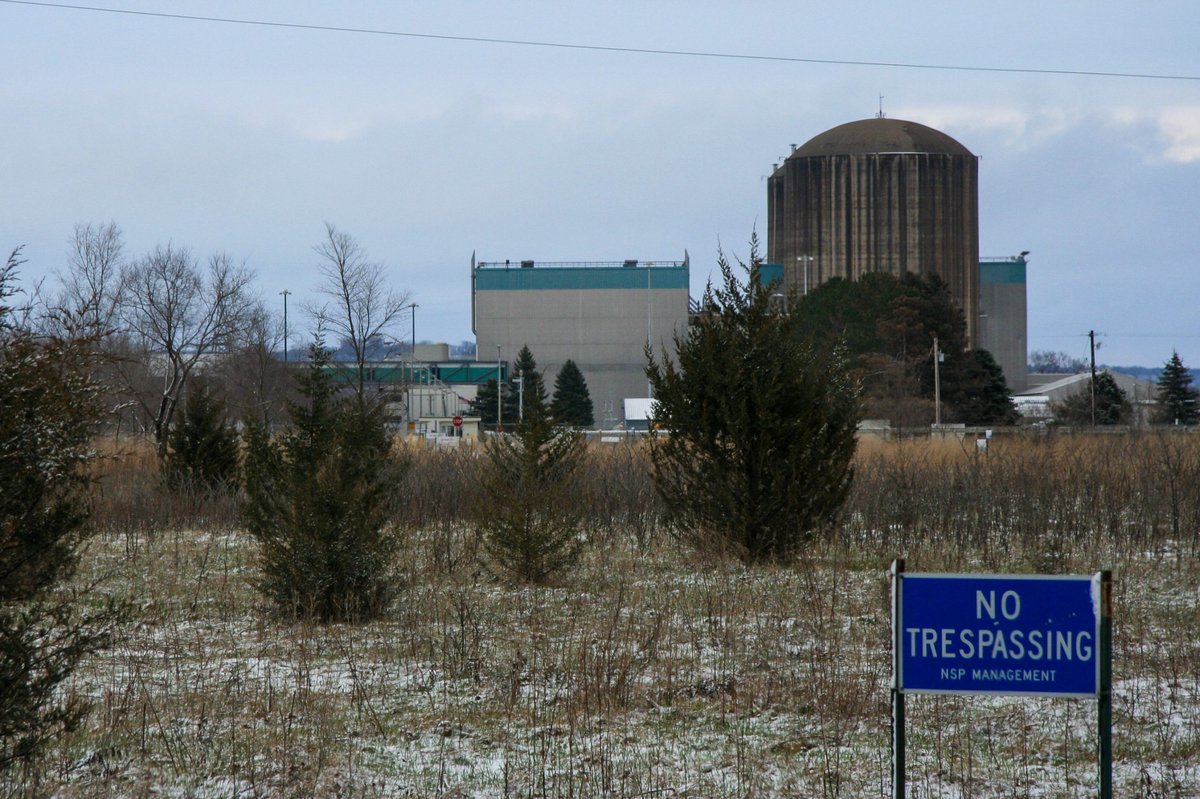
The hum of reliable, carbon-free energy pulses beneath the surface of Minnesota's ambitious clean energy goals. As the Upper Midwest charts its course toward a sustainable future, the Future of Prairie Island and Nuclear Energy in the Region stands out as a cornerstone, offering steadfast power that keeps the lights on, the economy vibrant, and the air clean. This isn't just about kilowatts; it's about strategic foresight, economic resilience, and a commitment to a diversified energy portfolio that truly serves over a million customers.
At a Glance: Prairie Island's Enduring Role
- Reliable Power: Prairie Island's two nuclear units generate 1,100 megawatts, enough to power over 1 million homes continuously, day and night, regardless of weather.
- Carbon-Free: It's a critical component of Minnesota's goal for 100% carbon-free electricity by 2040, providing significant baseload power without emissions.
- Extended Lifespan: Approved by the MPUC to operate through the early 2050s, with Xcel Energy planning to request a 20-year license extension from the NRC in 2026.
- Economic Anchor: Contributes 42% of Red Wing's tax base, over $40 million in annual local taxes, and supports good-paying jobs with salaries 30% higher than the local average.
- Strategic Storage: Approval for additional spent fuel storage capacity ensures long-term operational viability.
- Grid Resilience: Complements intermittent renewables like wind and solar, providing essential stability and ensuring a robust energy supply.
The Enduring Heartbeat of Minnesota's Grid
Imagine a harsh Minnesota winter, the wind whipping, and snow falling relentlessly. While solar panels may be under a blanket of white and wind turbines might be struggling in extreme cold, the Prairie Island nuclear plant continues its unwavering operation. This constant output of electricity – what we call "baseload power" – is the unsung hero of our modern grid.
Prairie Island, alongside Xcel Energy’s Monticello nuclear plant, reliably supplies a substantial 23-25% of the total electricity for Xcel Energy's Upper Midwest customers. Its two units collectively generate a robust 1,100 megawatts, capable of energizing over a million homes around the clock. This isn't just about capacity; it's about reliability. Nuclear energy thrives in all conditions, providing critical 24/7 carbon-free power that stands as a resilient backbone for our energy infrastructure.
Every two years, this vital facility undergoes an intensive, weeks-long refueling and maintenance effort. It's a precise ballet involving nearly 500 highly specialized technicians, working alongside the plant's dedicated full-time workforce. Think of it like a thorough, high-performance tune-up for a critical engine: every component is meticulously inspected, maintained, and updated to ensure flawless, continuous operation. Unit 2 is currently undergoing this process, for instance, while Unit 1 continues its vital work, demonstrating the plant's built-in redundancy and reliability. These biennial efforts are crucial; they are how the plant ensures it consistently provides reliable, carbon-free energy for the Upper Midwest while significantly boosting local economies in Goodhue County and the surrounding region.
Securing the Future: License Extension and Strategic Storage
The longevity of Prairie Island isn't a matter of chance; it's the result of deliberate planning and regulatory approvals that recognize its immense value. The Minnesota Public Utilities Commission (MPUC) has given a decisive nod to extend Prairie Island's operations through the early 2050s, specifically targeting 2053 and 2054. This decision is a testament to the plant's proven performance and its indispensable role in Minnesota’s clean energy ambitions.
But extending a nuclear plant's operational life involves more than just a regulatory signature. It requires foresight in managing critical resources, including spent nuclear fuel. Nuclear fuel, once used, is safely stored onsite. To accommodate the extended operations, the MPUC also approved a vital expansion of spent fuel storage capacity. This involves adding two new concrete pads and 34 advanced dry fuel systems. These state-of-the-art systems are designed to safely and securely store the spent fuel, ensuring environmental protection and regulatory compliance for decades to come.
Looking ahead, Xcel Energy isn't stopping there. The utility plans to formally request a 20-year extension of the plant's operating licenses from the U.S. Nuclear Regulatory Commission (NRC) in 2026. The NRC's review process is thorough and rigorous, typically spanning 18-24 months. If all proceeds as planned, a conclusion is projected by early 2028, solidifying Prairie Island's operational future well into the latter half of the century. These extensions are not merely bureaucratic checkboxes; they represent a strategic commitment to avoiding the premature closure of a critical carbon-free baseload power source, a decision that would otherwise necessitate replacing its output with either new, costly energy sources or, potentially, less sustainable options.
The Economic Engine: Beyond Kilowatts
While we often focus on the energy output of facilities like Prairie Island, their economic impact resonates far beyond the grid. This nuclear plant isn't just a power producer; it's a significant economic anchor for its community and the broader region.
Consider its contribution to Red Wing, Minnesota: the plant constitutes a remarkable 42% of the city's tax base. This substantial share translates into over $40 million in annual local taxes, funds that directly support schools, infrastructure, public services, and overall community well-being. Without Prairie Island, Red Wing's financial landscape would look dramatically different, potentially leading to higher taxes for residents or reduced public services.
Beyond municipal coffers, the plant is a major job creator. It supports hundreds of good-paying jobs, offering salaries that are, on average, up to 30% higher than the local average. These are specialized, highly skilled positions that foster a strong local workforce and contribute to a robust middle class. The ripple effect extends further; a University of Colorado analysis estimated that a 20-year license extension for Prairie Island would generate an average of 896 additional jobs and boost Minnesota's gross domestic product by an impressive $335 million annually. These are not just theoretical numbers; they represent tangible livelihoods and sustained economic prosperity for countless families.
Xcel Energy has also demonstrated a commitment to operational efficiency, which benefits customers directly. Over the past decade, the company has successfully reduced nuclear production costs by 25%. This efficiency, coupled with the return of $250 million in federal nuclear tax credits to customers, underscores the economic prudence and customer-centric approach behind Prairie Island's continued operation. It’s a powerful testament to how a large-scale energy producer can remain economically competitive while delivering a vital public service.
Nuclear's Indispensable Role in a Diversified Grid
The energy landscape is rapidly evolving, driven by a global push toward decarbonization and a greater reliance on renewable sources. While the vision of a grid powered solely by wind and solar is appealing, the reality of physics and grid stability requires a more nuanced approach. This is where nuclear energy, and specifically Prairie Island, demonstrates its indispensable value.
Xcel Energy's Integrated Resource Plan offers a clear example of this balanced strategy. The plan includes balancing an ambitious build-out of 3,200 MW of wind, 400 MW of solar, and 600 MW of storage by 2030 with the unwavering stability of nuclear power. This isn't about choosing one technology over another; it's about intelligent integration.
Think of it this way: wind and solar are powerful, clean energy sources, but they are by nature "intermittent." The wind doesn't always blow, and the sun doesn't always shine. During those periods, something else must step in to ensure a continuous power supply. That "something else" is baseload power, and nuclear energy is the ultimate carbon-free baseload. It operates 24/7, year-round, reliably generating electricity regardless of weather conditions or time of day. This constant output provides the essential stability and reliability that intermittent renewables simply cannot offer on their own.
This diversified approach isn't just about filling gaps; it enhances overall grid resilience. A grid that relies on a mix of energy sources – nuclear, hydro, wind, solar, and storage – is inherently more robust. It's better equipped to withstand extreme weather events, natural disasters, and even potential cyber threats. This multifaceted strategy aligns perfectly with modern Environmental, Social, and Governance (ESG) goals, demonstrating a commitment to environmental stewardship, social responsibility, and sound corporate governance. The Prairie Island extension, therefore, isn't just a local decision; it’s a national model for how utilities can successfully navigate the complex energy transition, ensuring both reliability and affordability while positioning Xcel Energy as a leader in shaping a truly low-carbon energy grid.
Addressing Common Questions About Nuclear Energy
Nuclear energy, despite its proven track record and carbon-free credentials, often prompts a range of questions and, at times, misconceptions. Let's tackle some of the most common ones head-on.
Is nuclear energy truly clean?
Absolutely. Nuclear power plants operate without emitting greenhouse gases or air pollutants into the atmosphere. The fission process that generates electricity does not burn fossil fuels, making it a critical tool in combating climate change and reducing air pollution. Its "clean" designation primarily refers to its operational phase, where it produces no carbon emissions.
What about safety? Are nuclear plants dangerous?
Nuclear power plants like Prairie Island are among the most heavily regulated and secure industrial facilities in the world. They operate under stringent safety protocols enforced by the U.S. Nuclear Regulatory Commission (NRC). Every aspect, from design and construction to operation and maintenance, is subject to rigorous oversight. The biennial refueling and maintenance efforts, involving hundreds of specialists, are testament to the proactive measures taken to ensure the highest levels of safety and operational integrity. Major incidents are exceptionally rare due to multiple layers of redundant safety systems and robust emergency preparedness plans.
What happens to nuclear waste? Is it stored safely?
The "spent fuel" from nuclear reactors is a byproduct that requires careful management. At Prairie Island, as at other nuclear facilities, spent fuel is first stored in cooling ponds within the plant, then transferred to dry cask storage. These dry casks are robust, sealed concrete and steel containers designed to safely store spent nuclear fuel for many decades. The MPUC's approval for two new concrete pads and 34 additional dry fuel systems at Prairie Island directly addresses the need for secure, long-term onsite storage, ensuring that the fuel remains safely contained and isolated from the environment. While the U.S. continues to seek a permanent geological repository, onsite dry cask storage is a proven, safe, and regulated interim solution.
Is nuclear energy affordable? Doesn't it cost a lot?
While the initial capital investment for building a nuclear plant is significant, the operational costs can be highly competitive over its long lifespan. As noted, Xcel Energy has reduced nuclear production costs by 25% over the past decade, and federal tax credits are returned directly to customers. Nuclear fuel is energy-dense and relatively inexpensive compared to the volatile prices of fossil fuels. The stability of nuclear power costs helps to insulate consumers from price spikes that can occur with natural gas or other energy sources. When considering the total cost, including the environmental and societal benefits of carbon-free, reliable power, nuclear energy presents a cost-effective solution for baseload generation.
The Path Forward: Leadership in Energy Transition
The continued operation and strategic extension of Prairie Island paint a clear picture: nuclear energy is not a relic of the past, but a vital component of the future. It’s a testament to how utilities can effectively navigate the complexities of the energy transition, ensuring that the pursuit of clean energy doesn't come at the expense of reliability or affordability.
Xcel Energy's foresight in integrating Prairie Island's long-term operation into its broader resource plan positions it as a leader in shaping a truly low-carbon energy grid. By valuing the continuous, carbon-free output of nuclear alongside the growing contributions of wind, solar, and battery storage, the region is building a resilient, diversified energy portfolio designed for the challenges and opportunities of the 21st century.
For residents and businesses across the Upper Midwest, this means more than just a power source; it means energy security, economic stability, and a tangible step towards a healthier environment. The Future of Prairie Island and Nuclear Energy in the Region is bright, ensuring that Minnesota and its neighbors can continue to enjoy the benefits of clean, reliable, and affordable power for decades to come. This isn't just about extending the life of a plant; it's about strengthening the foundation of our energy future.