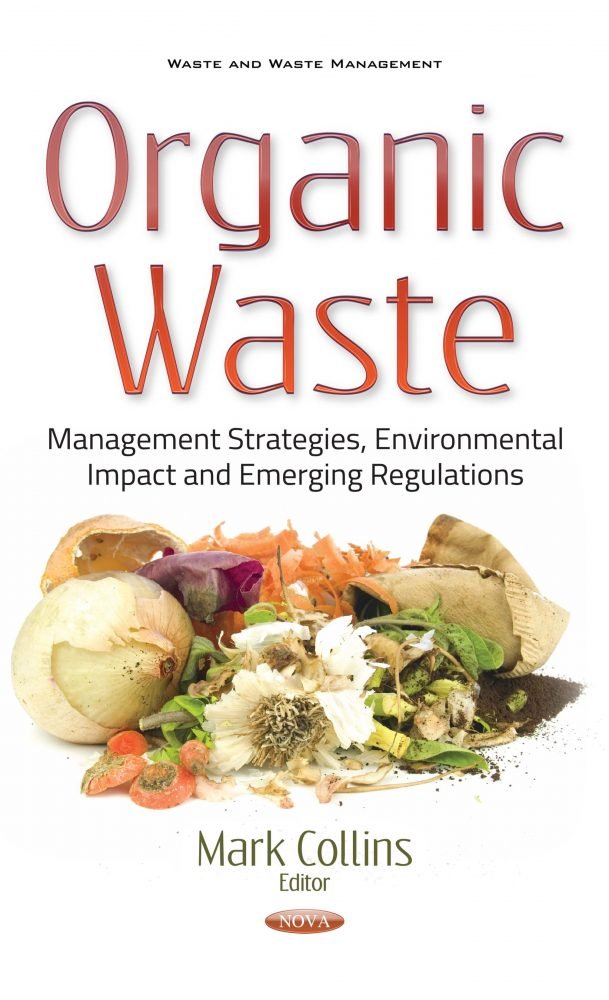
The modern world runs on convenience, innovation, and consumption—but this relentless pace leaves an undeniable mark: an escalating torrent of waste. From overflowing landfills to plastics choking our oceans, the visible and invisible scars of our consumption habits demand urgent attention. Understanding and actively engaging with Environmental Impact and Waste Management Strategies isn't just about tidying up; it's about safeguarding our planet, our health, and the future.
This isn't a problem we can simply sweep under the rug. It's a complex, global challenge that requires a holistic approach, blending personal responsibility with robust industrial and governmental action. But here's the good news: the solutions are within reach, and they’re evolving faster than ever.
At a Glance: Navigating Waste & Impact
- Waste management is crucial: It prevents pollution, conserves resources, protects public health, and fosters economic growth.
- It's more than just recycling: Strategies span from preventing waste at the source to advanced energy recovery and responsible disposal.
- Ineffective management has dire consequences: Think air and water pollution, climate change, and harm to ecosystems.
- Technology is a game-changer: AI, robotics, and advanced recycling methods are transforming how we manage waste.
- Everyone has a role: Individuals, businesses, and governments must collaborate for a sustainable future.
- The goal? A Circular Economy: Moving beyond "take-make-dispose" to a system where resources are continuously reused.
The Unseen Burden: Why Waste Management Isn't Optional
Waste management isn't a bureaucratic chore; it's a fundamental pillar of environmental stewardship and public well-being. At its core, it's the systematic process of handling waste materials—solid, liquid, and hazardous—to minimize their ecological footprint and maximize resource recovery. Its goals are clear: generate less waste, reuse and recycle more, and properly dispose of whatever remains.
The benefits ripple far beyond clean streets:
- Pollution Prevention: Proper management stops harmful chemicals, microplastics, and pathogens from contaminating our land, air, and precious water sources. This safeguards ecosystems, from pristine forests to vital wetlands, allowing nature to thrive.
- Resource Conservation: Every item we recycle or reuse means less demand for virgin materials. This reduces the energy needed for extraction and production, cutting down on greenhouse gas emissions and preserving finite natural resources. It’s a direct link to a more sustainable planet.
- Public Health Protection: Unmanaged waste is a breeding ground for disease vectors and a source of toxic emissions. Effective strategies prevent the spread of illness, protect communities from contaminated water supplies, and reduce respiratory issues linked to air pollution.
- Economic Growth and Innovation: A robust waste management sector creates jobs in recycling, waste treatment, renewable energy, and even specialized manufacturing. It fuels innovation, pushing us towards smarter product design and more efficient resource use.
- Fostering a Circular Economy: This is the ultimate prize. Instead of a linear "take-make-dispose" model, a circular economy keeps resources in use for as long as possible, extracting maximum value from them while in use, then recovering and regenerating products and materials at the end of each service life. It's a fundamental shift in how we conceive of resources and waste.
The Toolkit for Change: Key Waste Management Strategies
Waste management is a hierarchy, often visualized as a pyramid, with prevention at the top and disposal at the bottom. Each step is crucial, working in concert to minimize impact.
1. Source Reduction: The First Line of Defense
The simplest way to manage waste is to never create it in the first place. Source reduction, also known as waste prevention or minimization, involves reducing waste at its origin. This means:
- Mindful Consumption: Asking yourself if you truly need an item before purchasing it.
- Product Design: Manufacturers designing products with minimal, reusable, or recyclable packaging. Think concentrated detergents or products sold without excess wraps.
- Reusable Items: Choosing reusable bags, water bottles, coffee cups, and containers over single-use alternatives.
- Durability: Investing in high-quality, long-lasting products that don't need frequent replacement.
This strategy is often the most impactful because it tackles the problem upstream, before materials even become "waste."
2. Reuse: Giving Items a Second Life
Why discard something when it still has value? Reuse extends a product's lifespan by using it again, either for its original purpose or for something new. This could look like:
- Donating unwanted clothes or furniture: Passing on items in good condition to others.
- Refurbishing electronics: Repairing and reselling devices instead of scrapping them.
- Upcycling: Transforming old items into something new and functional, like turning glass bottles into decorative lamps.
- Using refillable containers: Bringing your own container to bulk food stores.
Reuse significantly cuts down on the energy and resources needed to manufacture new products.
3. Recycling: A Cornerstone of Sustainability
Recycling is the process of collecting, sorting, and processing waste materials into new products or raw materials. It's a critical strategy that diverts vast quantities of materials from landfills and conserves natural resources. Success hinges on:
- Proper Sorting: Ensuring materials are clean and separated correctly. This is where "wishcycling" (throwing something in the bin hoping it's recyclable) can cause more harm than good, contaminating entire batches.
- Advanced Processing: Modern facilities use sophisticated machinery to sort and prepare materials for remanufacturing.
- Market Demand: A healthy market for recycled content is essential to make the system economically viable. Without demand for recycled paper or plastic, the collection and processing falters.
Recycling systems vary. Single-stream recycling (all recyclables in one bin) offers convenience but can lead to higher contamination. Multi-stream recycling (separate bins for different materials) requires more effort from consumers but yields cleaner, more valuable material streams.
4. Composting: Nature's Recycler for Organics
Composting is the natural decomposition of organic waste materials like food scraps, yard waste, and certain paper products into nutrient-rich soil amendment called compost. This strategy is incredibly beneficial because it:
- Reduces Methane Emissions: Organic waste in landfills decomposes anaerobically (without oxygen), producing methane, a potent greenhouse gas. Composting, an aerobic process, significantly reduces these emissions.
- Enhances Soil Health: Compost enriches soil, improving its structure, water retention, and nutrient content, reducing the need for chemical fertilizers.
- Closes the Loop: Returns valuable nutrients to the earth, mimicking natural cycles.
From backyard composting to large-scale municipal operations, this strategy is a powerful tool for diverting a significant portion of household waste.
5. Waste-to-Energy (WTE): Transforming Trash into Power
Waste-to-Energy (WTE) technologies convert non-recyclable waste into electricity or heat. While not a primary solution for all waste, it serves as an important option for residual waste that cannot be reused, recycled, or composted. Processes include:
- Incineration: Burning waste at high temperatures to generate steam, which drives turbines for electricity. Modern incinerators are equipped with advanced pollution control systems to minimize emissions.
- Gasification and Pyrolysis: Heating waste in a low-oxygen environment to produce synthetic gas (syngas) or oil, which can then be used as fuel.
WTE significantly reduces waste volume (often by up to 90%) and generates renewable energy, offering an alternative to landfilling. However, it requires careful management of emissions and ash byproducts.
6. Landfills: The Last Resort, Responsibly Managed
Even with the most aggressive prevention and recycling efforts, some waste will always remain. Modern landfills are engineered facilities designed for the safe disposal of non-recyclable materials. Unlike old dumps, today’s landfills are carefully managed to minimize environmental impacts through:
- Site Selection: Chosen away from sensitive ecosystems and water sources.
- Liner Systems: Multi-layered liners (clay and synthetic materials) prevent leachate (toxic liquid from decomposing waste) from contaminating groundwater.
- Leachate Treatment: Collected leachate is treated to remove pollutants before discharge.
- Waste Compaction: Waste is compacted and covered daily to reduce volume, control odors, and deter pests.
- Landfill Gas Capture: Methane produced from anaerobic decomposition is captured and often converted into energy, helping mitigate its greenhouse gas impact.
While the goal is to send as little as possible to landfills, their proper management is a crucial final step in the waste hierarchy.
The High Cost of Neglect: Environmental Consequences of Ineffective Management
When waste management systems fail, the repercussions are severe and far-reaching, impacting every facet of our environment.
- Air Pollution and Climate Change: Improper incineration releases harmful particulates and toxic gases. Landfills, particularly those without gas capture systems, are major emitters of methane, a greenhouse gas 25 times more potent than carbon dioxide over a 100-year period. This accelerates climate change and contributes to respiratory illnesses.
- Water Contamination: Leachate from poorly managed landfills, brimming with heavy metals and toxins, can seep into groundwater and run off into surface water bodies, contaminating drinking water sources and devastating aquatic ecosystems.
- Land Degradation and Soil Contamination: Accumulations of waste render land unusable, leading to habitat destruction and affecting biodiversity. Toxins seep into the soil, reducing agricultural productivity and posing risks to the food chain.
- Plastic Pollution Epidemic: Perhaps the most visible crisis, plastic waste chokes our oceans, rivers, and even remote wilderness areas. Marine life mistakes plastic for food, leading to entanglement, starvation, and widespread ecosystem disruption. Microplastics, tiny fragments of plastic, are now found everywhere from the deepest ocean trenches to human bloodstreams, with unknown long-term health effects.
- Loss of Biodiversity: Habitats are destroyed, species are poisoned, and entire ecosystems are thrown out of balance by uncontrolled waste, leading to a decline in biodiversity crucial for planetary health.
Overcoming Obstacles: Challenges in Waste Management
Implementing effective waste management strategies isn't a walk in the park. Several significant hurdles often stand in the way:
- Increasing Volume and Complexity of Waste: As global populations grow and consumption rises, so does the sheer volume of waste. Furthermore, modern products often contain a complex mix of materials (plastics, metals, rare earth elements), making them challenging to recycle.
- Limited Resources: Many regions, particularly developing nations, lack the necessary funding, technological infrastructure, and trained personnel to implement comprehensive waste management programs.
- Behavioral Change: Convincing individuals and businesses to adopt waste reduction habits, sort waste correctly, and participate actively in recycling programs requires sustained education and incentives. The "out of sight, out of mind" mentality is a powerful barrier.
- Evolving Regulations: Keeping pace with diverse, often fragmented, and constantly evolving environmental regulations across different jurisdictions can be a bureaucratic nightmare for businesses and municipalities alike.
- Technological Lag: While innovations are emerging, the widespread adoption of cutting-edge waste treatment and recycling technologies is often slow due to high initial costs and infrastructural challenges.
Smart Solutions: Technological Innovations in Waste Management
The good news is that technology is stepping up to meet these challenges, transforming waste management from a dirty, labor-intensive process into a high-tech endeavor.
- Artificial Intelligence (AI) and Machine Learning (ML): These technologies are revolutionizing sorting facilities. AI-powered optical sorters can identify and separate different types of plastics, papers, and metals with unprecedented accuracy and speed, significantly reducing contamination and improving recycling rates.
- Robotics: Automated robotic arms work tirelessly alongside or instead of human sorters, handling hazardous materials, increasing throughput, and performing tedious tasks with precision.
- Blockchain Technology: For supply chain transparency, blockchain can track waste materials from collection to processing to reintegration into new products. This enhances accountability and helps verify the origin and quality of recycled content, combating greenwashing.
- Advanced Chemical Recycling: This innovative approach breaks down complex plastic waste into its molecular components, creating virgin-quality raw materials. It can handle waste streams not easily processed by traditional mechanical recycling, offering a solution for "hard-to-recycle" plastics.
- Anaerobic Digestion: For organic waste, this process uses microorganisms in an oxygen-free environment to break down materials, producing biogas (a renewable energy source) and nutrient-rich digestate that can be used as fertilizer.
- Plasma Gasification: A high-temperature Waste-to-Energy technology that uses plasma torches to convert waste into syngas, which can then be used to generate electricity. It offers extremely efficient waste reduction and a cleaner energy output compared to conventional incineration.
These innovations are making waste management more efficient, cost-effective, and environmentally friendly, pushing us closer to a truly circular economy. It's a testament to human ingenuity applied to critical environmental problems.
Core Concepts Shaping Our Future
Beyond the strategies and technologies, certain foundational concepts guide our journey toward a sustainable future.
The Circular Economy: Redefining Value
We mentioned it earlier, but it bears repeating: the Circular Economy is the overarching paradigm shift required. It's a sustainable alternative to the linear "take-make-dispose" model. Instead, it focuses on:
- Designing out waste and pollution: Products are conceived from the start with their end-of-life in mind, making them durable, repairable, and easily recyclable.
- Keeping products and materials in use: Through reuse, repair, remanufacturing, and recycling, resources are circulated for as long as possible.
- Regenerating natural systems: By returning biological materials to the earth safely and using renewable energy.
Imagine a world where your phone is designed to be easily upgraded or repaired, and its components can be fully recovered at the end of its life, rather than ending up in a drawer or landfill. That's the circular vision.
Extended Producer Responsibility (EPR): Holding Manufacturers Accountable
Extended Producer Responsibility (EPR) is a policy approach that shifts the financial and/or physical responsibility for the entire lifecycle of products to the manufacturers. This means:
- Incentivizing better design: Companies are motivated to design products that are durable, easy to repair, and recyclable if they have to pay for their collection and processing.
- Financing collection and recycling: EPR schemes often involve fees paid by producers, which fund the infrastructure for product collection, sorting, and recycling, easing the burden on local taxpayers.
- Promoting resource efficiency: By closing the loop, EPR encourages manufacturers to use more recycled content in new products.
EPR is particularly effective for complex waste streams like electronics, batteries, and packaging.
"Wishcycling": The Road to Contamination
We all want to do our part, but sometimes good intentions backfire. "Wishcycling" is the harmful act of putting items into recycling bins without certainty that they are actually recyclable in your local program, often just "hoping" they will be.
The problem? Non-recyclable items contaminate entire batches of otherwise valuable recyclables. This leads to:
- Increased processing costs: Facilities have to spend more time and money sorting out contaminants.
- Damage to machinery: Items like plastic bags or hoses can wrap around equipment, causing breakdowns.
- Diversion to landfill: If a batch is too contaminated, it might all be sent to the landfill, negating the effort and wasting resources.
The lesson: When in doubt, leave it out. Check your local recycling guidelines thoroughly.
Charting a Sustainable Path: Actionable Insights for Everyone
Moving towards a sustainable future built on effective waste management requires a collective effort. Here’s how individuals, businesses, and governments can make a tangible difference.
What You Can Do (Individuals):
- Reduce Single-Use Plastics: Carry reusable water bottles, coffee cups, and shopping bags. Opt for products with minimal or no plastic packaging.
- Choose Wisely: Select durable goods, buy in bulk to reduce packaging, and prioritize products made from recycled content.
- Compost Food Scraps: Start a backyard compost pile or participate in a municipal organic waste collection program. This dramatically cuts down landfill waste and methane emissions.
- Repair, Don't Replace: Learn basic repair skills or seek out local repair shops for electronics, appliances, and clothing.
- Donate and Resell: Give unwanted goods a new life by donating them to charities, selling them secondhand, or participating in clothing swaps.
- Understand Your Local Recycling: Check your municipal guidelines for what's accepted and how to sort. Avoid wishcycling!
- Educate Yourself and Others: Share your knowledge and encourage friends and family to adopt more sustainable habits.
How Businesses Can Lead (Corporate Responsibility):
- Conduct Waste Audits: Understand exactly what waste your business generates and identify opportunities for reduction and recycling.
- Implement Robust Recycling Programs: Ensure clear, accessible bins for different materials throughout your premises.
- Prioritize Reusable Packaging: Work with suppliers to reduce packaging, use reusable containers for transport, or implement take-back schemes.
- Source Sustainable Materials: Choose raw materials that are recycled, renewable, or responsibly sourced.
- Reduce Food Waste: For food service or retail, optimize inventory, donate edible surpluses, and compost unavoidable organic waste.
- Design for Circularity: Embrace EPR principles by designing products that are durable, repairable, and easily disassembled for recycling.
- Invest in Green Technologies: Explore advanced recycling or waste-to-energy solutions for your industrial byproducts.
Governments' Role (Policy & Infrastructure):
- Implement Recycling Mandates and Landfill Taxes: Policies that encourage recycling and make landfilling more expensive can drive behavioral change.
- Develop EPR Schemes: Hold manufacturers accountable for product lifecycle management, funding collection and recycling infrastructure.
- Enforce Single-Use Plastic Bans: Phasing out problematic plastics can significantly reduce pollution.
- Invest in Infrastructure: Fund modern sorting facilities, composting operations, and waste-to-energy plants.
- Launch Public Awareness Campaigns: Educate citizens on the importance of waste reduction and proper sorting, making guidelines clear and accessible.
- Support Research and Development: Foster innovation in waste treatment technologies and circular economy models.
- Integrate Environmental Impact Assessments: When considering large-scale projects, like the operations at The Prairie Island Nuclear Plant, ensure comprehensive environmental impact assessments include rigorous waste management protocols, even for specialized waste streams like nuclear waste, as part of a broader commitment to sustainability. This ensures that energy generation, regardless of its source, aligns with ecological responsibility.
- Foster International Collaboration: Address transboundary waste issues and share best practices globally.
Looking Forward: A Future Without Waste
The journey to truly sustainable waste management is ongoing, but the path is clear: prioritize waste reduction, champion reuse, maximize recycling and composting, responsibly utilize waste-to-energy technologies, and ensure proper, minimal landfill disposal. This holistic approach, powered by individual commitment, corporate innovation, and robust governmental policies, is not just about cleaning up a mess. It's about fundamentally rethinking our relationship with resources, building a resilient circular economy, and ensuring a healthy, thriving planet for generations to come. The environmental impact of our waste is a solvable problem—one that demands our immediate and collective action.