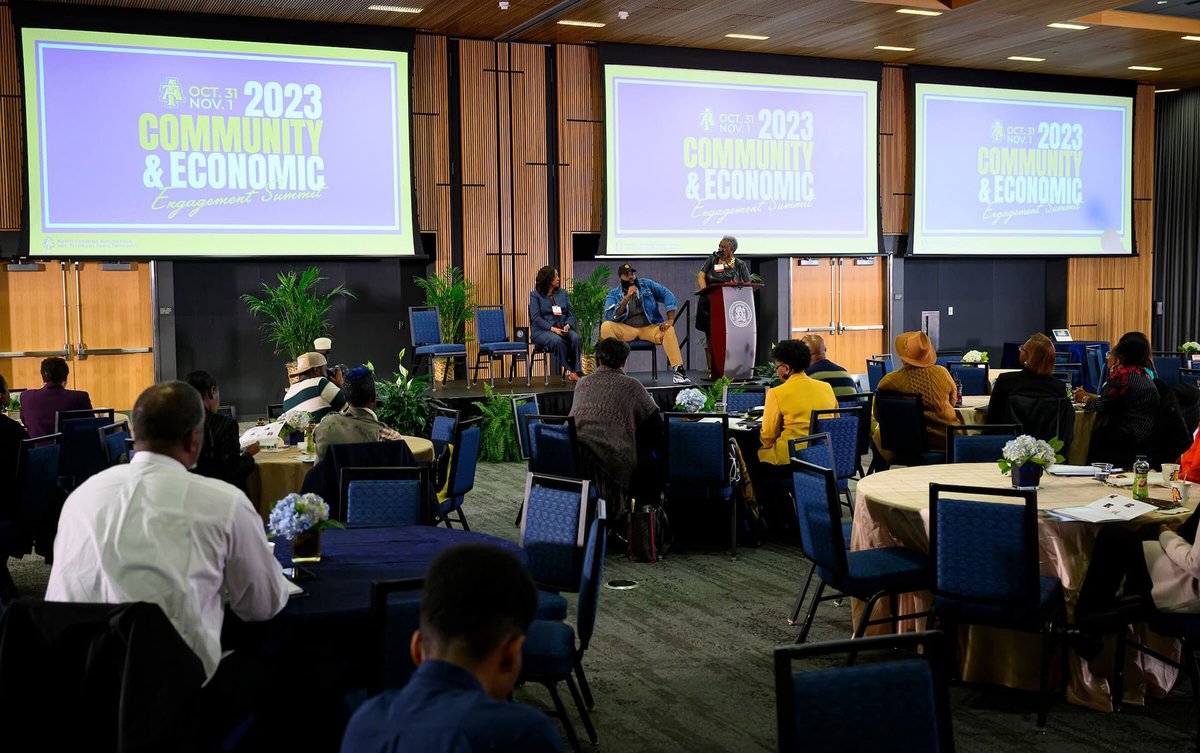
The heartbeat of any truly thriving society isn't just about economic numbers; it's about the collective spirit and active participation of its people. When communities genuinely engage with economic development, they don't just passively receive benefits; they actively shape growth, ensuring it reflects local values, harnesses unique skills, and creates a more inclusive, sustainable future for everyone. This dynamic synergy between Economic Contribution and Community Engagement is the bedrock of lasting prosperity.
At a Glance: Building a Better Future Together
- It's a two-way street: Economic growth needs community input, and engaged communities drive economic success.
- Local wisdom is vital: Diverse stakeholders offer unique insights and solutions for sustainable development.
- Culture and environment aren't extras: They're core assets that attract investment and enhance quality of life.
- Education and skills are key: Aligning learning with market needs creates a ready, capable workforce.
- Collaboration is powerful: Public, private, and non-profit sectors achieve more together than apart.
- Technology levels the playing field: From e-commerce to civic platforms, digital tools empower communities.
- Measure what matters: Look beyond finances to social well-being, environmental impact, and real empowerment.
Beyond the Bottom Line: Why Community Matters So Much
For too long, economic development was often viewed as a top-down process, driven by external investors or distant policymakers. But we've learned a crucial lesson: the most robust, resilient economies are those deeply rooted in their local context, shaped by the people who live and work there.
This isn't just altruism; it's smart economics. Active community participation ensures that economic growth isn't just about profit, but about shared prosperity. It ensures new industries align with local needs, preserve unique cultural identities, and protect the environment—factors that increasingly attract businesses and talent. Think of it as investing in social capital, where strong networks and relationships within a community become a powerful, often undervalued, asset for economic gain. From the ancient Greek agoras to medieval guilds and modern cooperative movements, historical precedents show that community involvement has always been crucial for building equitable and efficient economic outcomes.
Core Principles: The Blueprint for Engaged Growth
Effective economic development isn't accidental; it's the result of intentional strategies built upon strong community engagement. These core principles guide efforts to create economic vibrance that resonates deeply within the social fabric.
Stakeholder Input: Weaving Diverse Voices into the Plan
Any development plan worth its salt starts with listening. Integrating input from a wide array of community stakeholders—residents, small business owners, educators, non-profit leaders, and even youth—ensures that plans are comprehensive, locally relevant, and enjoy broad support. This kind of participatory economics, involving workers and consumers in decision-making, leads to more equitable and efficient outcomes.
Consider Chattanooga, Tennessee. Facing economic decline, the city launched a massive community-wide visioning process called "Vision 2000" that engaged thousands of residents. This grassroots input directly informed the creation of its Innovation District, which has since attracted numerous tech companies and transformed its downtown.
Harnessing Local Skills: Tapping into Innate Talent
Every community possesses a unique reservoir of skills, knowledge, and entrepreneurial spirit. True engagement involves identifying and leveraging these local assets, rather than importing all solutions from outside. This means supporting local businesses, providing pathways for residents to develop new skills, and valuing indigenous knowledge.
Singapore's SkillsFuture initiative is a prime example, providing lifelong learning opportunities and subsidies to its citizens, ensuring their skills remain aligned with evolving market demands and boosting the nation's economic competitiveness.
Preserving Cultural Identity: Economic Growth That Honors Heritage
Economic progress should enhance, not erode, the distinct character of a place. Integrating cultural heritage into development strategies can create unique tourism opportunities, support local artisans, and foster a strong sense of pride. This approach ensures that as a community grows economically, it doesn't lose its soul.
New Zealand's Maori tourism sector brilliantly demonstrates this, where indigenous culture is not just preserved but is a cornerstone of economic growth, offering authentic experiences that attract global visitors while celebrating heritage.
Prioritizing Environmental Stewardship: Building Green, Thinking Long-Term
Sustainable practices are no longer an optional add-on; they are fundamental to attracting investment, improving quality of life, and building long-term resilience. Communities that prioritize environmental stewardship through green infrastructure, renewable energy, and conservation not only become more attractive places to live and work but also create new "green collar" job opportunities.
Freiburg, Germany, is a globally recognized success story, having intentionally transitioned into a "green city" through extensive investment in sustainable practices, attracting both residents and eco-conscious businesses. This commitment to sustainability is deeply embedded in its planning, contributing to the the circular economy concept and a higher quality of life.
Aligning Education with Economy: Growing a Skilled Workforce
A robust local economy requires a skilled and adaptable workforce. Community engagement here means creating strong links between educational institutions and local industries. Educational programs should be responsive to market demands, preparing students with the practical skills needed for current and future jobs.
The partnership between Pittsburgh and Carnegie Mellon University illustrates this powerfully. By fostering collaboration between academia and industry, they've created a vibrant hub for robotics and AI research, attracting talent and investment and positioning the city at the forefront of technological innovation.
Fostering Collaborations: The Strength of Diverse Partnerships
Complex challenges rarely have simple, singular solutions. The most innovative and effective economic development initiatives arise from partnerships between the public, private, and non-profit sectors. These collaborations pool resources, share expertise, and leverage diverse perspectives to create comprehensive strategies.
Beyond Pittsburgh, countless smaller initiatives thrive on such collaboration. A local chamber of commerce partnering with a community college to offer specific vocational training, or a city government teaming up with a non-profit to revitalize a public park, are all examples of this principle in action.
Supporting Social Enterprises: Businesses with a Double Bottom Line
Social enterprises are businesses designed to address community issues while generating revenue. They create both economic and social value, often employing marginalized populations, providing essential services, or tackling environmental problems. Supporting these businesses is a powerful form of engaged economic development.
Grameen Bank in Bangladesh, founded by Nobel laureate Muhammad Yunus, pioneered microloans that empower women entrepreneurs, stimulating local economic activity and lifting entire communities out of poverty. Similarly, TOMS Shoes' "One for One" model, while evolving, became famous for addressing community needs by donating a pair of shoes for every pair sold, creating both a successful business and social impact. This demonstrates the many benefits of CSR when deeply integrated into a business model.
The Power of Inclusion: Amplifying Marginalized Voices
For economic development to be truly robust, resilient, and equitable, it must actively engage marginalized communities. Ignoring these voices means missing innovative solutions, perpetuating inequalities, and creating initiatives that only serve a segment of the population. Empowering these groups ensures that the benefits of growth are widely distributed and that their unique perspectives inform the economic agenda.
Strategies for Inclusive Development:
- Community-Based Participatory Research (CBPR): This collaborative approach involves community members directly in the research process, ensuring that problems are defined by those most affected and solutions are culturally appropriate. In Detroit, CBPR has been instrumental in developing urban agriculture initiatives, transforming vacant lots into productive spaces that enhance food security and create local economic opportunities.
- Inclusive Policy Making: Actively involving marginalized groups in shaping economic policies and planning processes ensures that their needs are addressed and their rights protected. This prevents policies from inadvertently creating barriers or exacerbating existing disparities.
- Capacity Building and Skills Development: Investing in education, vocational training, and leadership development for marginalized individuals and groups empowers them to participate more fully in the economy. India's National Skill Development Corporation (NSDC) partners with various organizations to increase skill levels for youth and women from underprivileged backgrounds, fostering economic independence.
- Fair Trade Practices: These initiatives ensure that producers, often from marginalized communities, receive fair prices for their goods, enabling them to invest in their businesses and communities. Fair Trade has notably helped Ethiopian coffee farmers gain a fairer share of market profits, directly improving their livelihoods.
- Microfinance and Access to Capital: Providing small loans and financial services to individuals who lack access to traditional banking can be transformative, allowing them to start and grow businesses. Beyond Grameen Bank, organizations like Kiva facilitate microloans to entrepreneurs in developing countries, fostering financial inclusion and stimulating local economies.
- Digital Inclusion: Ensuring access to technology and affordable internet is critical in today's economy. Without it, marginalized groups are left behind, unable to access online education, job opportunities, or essential services. e-Estonia, through its comprehensive digital engagement initiatives, has transformed public services and increased transparency, making digital access a cornerstone of its national strategy.
Technology as an Enabler: Bridging Gaps, Building Futures
Technology isn't just a tool; it's a catalyst that can significantly amplify economic contribution and community engagement. From connecting remote entrepreneurs to facilitating civic participation, digital solutions are reshaping how communities grow and interact.
How Technology Powers Community-Driven Growth:
- Small Business Empowerment: E-commerce platforms (like Etsy or Shopify) allow local artisans and small businesses to reach global markets, manage inventory, and process payments without needing a physical storefront. This democratizes entrepreneurship and helps retain wealth within the community.
- Informed Decision-Making: Big data analytics helps communities optimize resource allocation, improve public services, and plan for future needs. Smart meters, for instance, can help manage energy consumption more efficiently, reducing costs and environmental impact.
- Accessible Education & Skills Training: Online learning platforms, MOOCs (Massive Open Online Courses), and mobile apps provide flexible, affordable pathways to skills development and lifelong learning. Initiatives like TechHire offer rapid training in tech skills to prepare workers for the evolving job market, bridging the skills gap.
- Healthcare Access: Telemedicine, electronic health records, and mobile health apps break down geographical barriers, improving access to healthcare for underserved populations and reducing healthcare costs.
- Sustainable Practices: Smart grids, renewable energy management systems, and waste reduction technologies contribute to environmental sustainability, reducing costs, and creating green jobs. This aligns perfectly with the goals of engaged economic development.
- Civic Engagement: Digital platforms allow residents to easily participate in decision-making, report local issues, and stay informed about community projects. Porto Alegre, Brazil's pioneering Participatory Budgeting, which allows citizens to directly allocate municipal funds, has inspired similar digital implementations globally. Kenya's M-Pesa mobile banking system revolutionized financial services, making them accessible to millions, greatly enhancing financial inclusion and participation in the digital economy.
Forging Stronger Bonds: Public-Private Partnerships in Action
Public-Private Partnerships (PPPs) are powerful mechanisms that leverage the strengths of both sectors to tackle complex challenges, from massive infrastructure projects to neighborhood revitalization. By pooling government regulatory capabilities and public funding with private sector efficiency, innovation, and capital, communities can achieve ambitious economic and social goals.
The Synergy of PPPs:
- Resource Sharing: Governments often contribute land, regulatory frameworks, or initial funding, while private entities bring capital, expertise, and advanced technology. This shared investment accelerates projects that might otherwise be stalled due to limited public funds.
- Risk Distribution: PPPs carefully balance risks. The public sector might handle regulatory and political risks, while the private sector takes on financial, operational, and construction risks. This distribution makes large, complex projects more feasible.
- Innovation and Efficiency: The private sector is often driven by innovation and efficiency. In public projects, this can lead to cutting-edge solutions, like smart public transportation systems or energy-efficient buildings, delivering better value for taxpayers. The Curitiba Bus Rapid Transit (BRT) in Brazil is a global model for efficient and eco-friendly public transportation, a success often attributed to robust public-private collaboration.
- Community Engagement: Successful PPPs integrate local stakeholders into the planning process from the outset. This ensures that projects align with community vision, address local needs, and gain public acceptance, rather than being imposed. The transformation of London Docklands into a major financial hub involved extensive urban planning with significant public participation, demonstrating how large-scale PPPs can integrate community input.
- Economic Development: These partnerships are powerful drivers of economic growth, leading to increased tourism, significant job creation, and growth for local businesses that supply goods and services to these large projects. Consider how the Prairie Island Nuclear Generating Plant integrates with its local economy, often through a blend of public oversight and private operational efficiency.
- Sustainability: PPPs are increasingly focused on eco-friendly projects, from renewable energy installations on public buildings to sustainable waste management systems, contributing to a greener future.
PPPs, when structured transparently with clear contracts and accountability measures, represent a collaborative model for building resilient economies and vibrant communities.
Measuring Success: Beyond Just Dollars and Cents
Evaluating the impact of economic development initiatives is crucial for understanding what works, what doesn't, and how to adapt strategies. This process goes far beyond simple financial metrics, embracing a holistic view that includes social, environmental, and cultural impacts. Just as important as tracking output is understanding the true outcomes and their long-term effects. This is where truly engaged communities shine, helping define what "success" truly means. This comprehensive approach uses various quantitative and qualitative measures, aligning with key indicators of economic growth and broader societal well-being.
Key Metrics for a Holistic View:
Quantitative Measures:
- Job Creation and Unemployment Rate: Direct impacts on local employment, including quality and types of jobs.
- Average Income and Poverty Levels: Indicates if economic benefits are reaching the broader population and reducing inequality.
- Business Growth: Number of new business startups, expansions of existing ones, and diversity of industries.
- Tax Revenue: Increased revenue for local governments, allowing for investment in public services and infrastructure.
- Real Estate Development: Growth in residential and commercial construction, property values, and revitalization of blighted areas.
Qualitative Measures:
- Quality of Life Indicators: Changes in crime rates, access to quality healthcare, educational attainment levels, and availability of cultural amenities. The Harlem Children’s Zone in New York, for example, is a comprehensive support system that dramatically improved educational outcomes and overall well-being in a specific neighborhood, showcasing qualitative success.
- Environmental Sustainability: Adoption of green technologies, reduction in carbon footprint, conservation efforts, and improvement in air and water quality. Germany's Energiewende policies, which encourage community engagement in renewable energy, have spurred significant green growth.
- Community Engagement and Empowerment: The level of community involvement in planning and decision-making, the strength of local networks, and perceived influence over local governance. Porto Alegre, Brazil’s Participatory Budgeting is a powerful example of empowering citizens to allocate municipal funds directly.
- Cultural Preservation and Enhancement: Balancing economic growth with the protection and celebration of local heritage, arts, and traditions. The Maori Tourism model, again, highlights this balance.
- Innovation and Technology Adoption: The community's capacity to embrace new technologies, foster innovation ecosystems, and adapt to future economic shifts, crucial for long-term resilience.
By looking at this broader spectrum of indicators, communities can gain a truer picture of their progress and ensure that economic development serves the well-being of all residents.
Navigating the Hurdles: Common Challenges and Smart Solutions
Even with the best intentions, fostering robust community engagement in economic development faces obstacles. Recognizing these challenges upfront and having strategic solutions is crucial for sustained success.
1. Apathy or Lack of Participation
- Challenge: Residents may feel disengaged, believing their input won't matter, or simply lack the time.
- Solution: Demonstrate tangible benefits and clear pathways for impact. The success of Chattanooga's "Gig City" initiative, driven by its community-wide visioning, showed residents that their participation could lead to real economic transformation (like ultra-fast internet). Small, visible wins build confidence and participation.
2. Mistrust in Institutions
- Challenge: Historical grievances, lack of transparency, or perceived corruption can erode trust in government or developers.
- Solution: Foster transparent communication, consistent follow-through, and genuinely inclusive decision-making processes. Participatory Budgeting projects, which put budget decisions directly in citizens' hands, are excellent for rebuilding trust by demonstrating accountability.
3. Resource Limitations
- Challenge: Small communities or grassroots initiatives often lack funding, staff, or technical expertise to sustain engagement efforts.
- Solution: Leverage crowdfunding, volunteer networks, and public-private partnerships. The Detroit SOUP project, a micro-granting dinner where attendees fund local projects, is a fantastic example of a community-driven solution to resource limitations. Seek grants, pro-bono support, and innovative funding models.
4. Policy Constraints and Bureaucracy
- Challenge: Restrictive regulations, slow approval processes, or a lack of supportive policy frameworks can stifle community-led initiatives.
- Solution: Advocate for policy reform and pilot innovative approaches. The UK's "Right to Challenge" policy, for instance, empowers community groups to bid to run local authority services, directly challenging traditional bureaucratic structures. Engaging in local governance decisions can lead to more favorable policies.
5. Cultural and Language Barriers
- Challenge: Diverse communities may have different communication styles, cultural norms, or language needs that hinder effective engagement.
- Solution: Provide cultural competency training for facilitators, use culturally appropriate communication channels, and employ cultural liaisons or multilingual staff. Community-Led Total Sanitation (CLTS) initiatives, which mobilize communities to eliminate open defecation, often succeed by deeply respecting and working within local cultural contexts.
6. Information Dissemination Gaps
- Challenge: Not everyone has access to the internet, or information may not be presented in an accessible format.
- Solution: Utilize a multi-channel approach: combine digital platforms (social media, dedicated websites) with traditional outreach (community meetings, local newsletters, radio). Organizations like Code for America Brigade groups often develop digital tools specifically tailored to improve information access and civic engagement locally.
7. Sustainability of Engagement
- Challenge: Initial enthusiasm can wane, making it hard to sustain long-term participation.
- Solution: Implement continuous feedback loops, adapt strategies based on community input, and celebrate milestones. Building a core group of empowered community leaders who can champion initiatives helps ensure longevity. Sustainable Seattle, for example, has continuously adapted its community indicators project for decades, maintaining engagement through evolving priorities.
Addressing these challenges head-on with thoughtful, community-centric solutions ensures that engagement remains robust and impactful, allowing communities to truly address complex social challenges and build lasting prosperity.
Your Role in Building a Thriving Community: Actionable Steps
Economic contribution and community engagement isn't just a concept for city planners and policymakers; it's a call to action for every individual. Your participation, however small, weaves into the larger tapestry of collective prosperity.
1. Become an Active Stakeholder
Don't wait to be invited; seek out opportunities to contribute. Attend public forums, join neighborhood associations, volunteer for local initiatives, or participate in online civic platforms. Your perspective, no matter your background, holds unique value. Learn about ongoing projects like the Detroit Black Community Food Security Network, which transforms vacant lots into agricultural spaces, and see how you can contribute.
2. Support Local, Engage Locally
Choose to spend your money with local businesses and social enterprises. Not only does this keep wealth circulating within your community, but it also supports entrepreneurs who often have a deeper understanding of local needs. Look for businesses like 'Thank You' (Australia), which redirects profits from consumer goods to fund development projects, or Tony's Chocolonely, committed to 100% slave-free chocolate, driving industry change through ethical practices.
3. Advocate for Inclusive Policies
Use your voice to support policies that promote equitable economic development, environmental protection, and cultural preservation. This could mean contacting your local representatives, signing petitions, or joining advocacy groups. Understand how innovation fuels economic growth and advocate for policies that support local innovation.
4. Embrace Lifelong Learning
Continuously seek opportunities to develop new skills, whether through formal education, online courses, or community workshops. A skilled and adaptable workforce is the backbone of a thriving economy, and your personal growth directly contributes to this collective asset.
5. Leverage Technology Responsibly
Utilize digital tools to stay informed, connect with neighbors, and participate in local decision-making. Whether it's reporting a pothole via a city app or participating in an online community survey, technology offers accessible avenues for engagement.
The Path Forward: Sustaining Prosperity Through Engagement
The journey of fostering economic contribution and community engagement is ongoing. It requires patience, adaptability, and an unwavering belief in the power of collective action. When a community genuinely co-creates its economic future, it doesn't just build wealth; it builds resilience, belonging, and a shared legacy for generations to come. The goal is not just to grow, but to flourish—together.